Introduction to Persian Noodle Soup
What is Persian Noodle Soup (Ash Reshteh)?
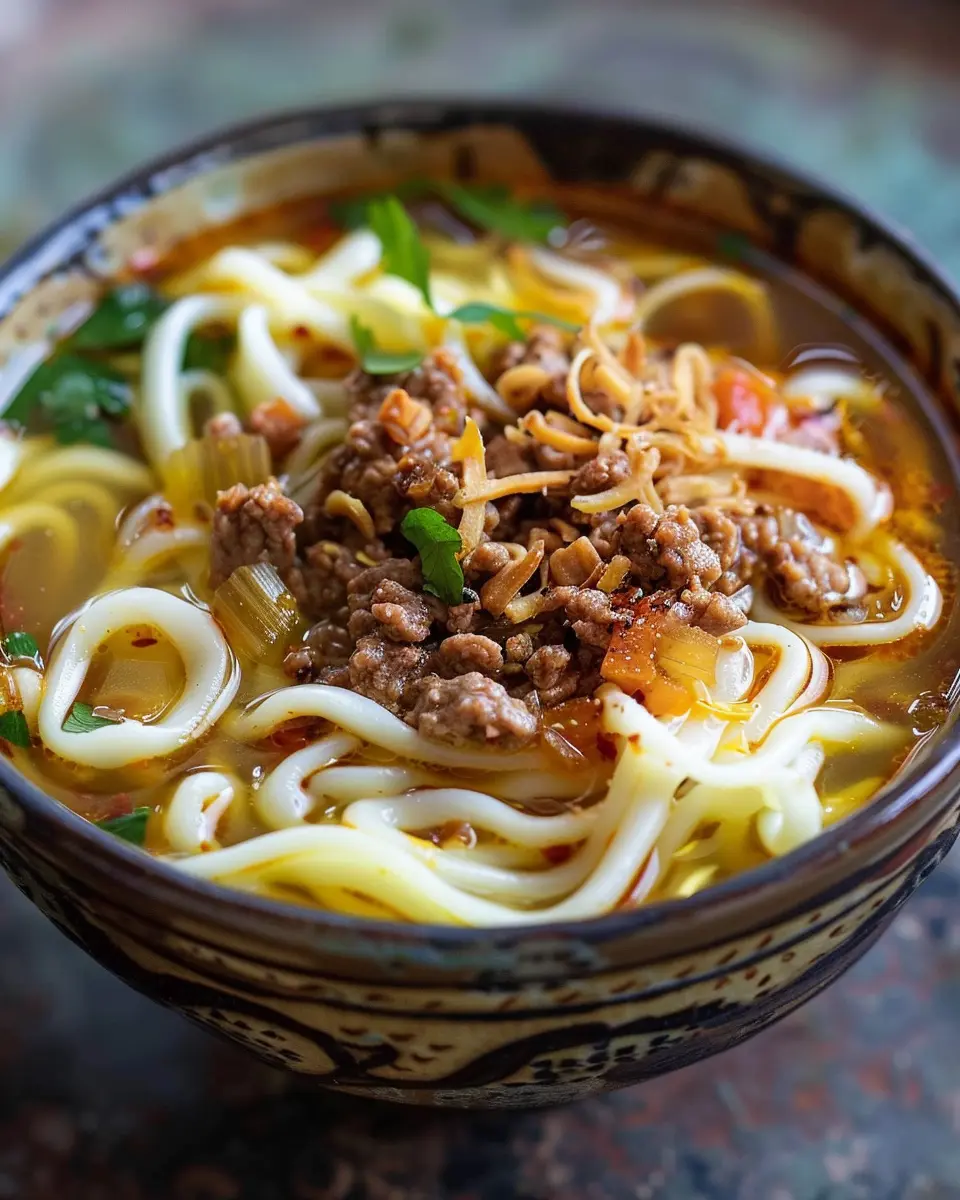
Persian Noodle Soup, known as Ash Reshteh, is a hearty, fragrant dish beloved in Iranian cuisine. It’s an aromatic mix of fresh herbs, legumes, and thick noodles, typically made with a rich and flavorful broth. The soup is not only delicious but also deeply nourishing, often served with a dollop of tangy whey or yogurt on top.
You might wonder what sets Ash Reshteh apart from other noodle soups. The answer lies in its ingredients and preparation. Traditional versions include an abundance of herbs like parsley, cilantro, and spinach, creating a vibrant green base. Alongside these, the soup features kidney beans and lentils, which offer a punch of protein and keep you feeling satisfied for hours. The addition of Persian noodles—reshteh—brings a delightful texture that elevates the experience.
For those looking for a comforting meal with an aromatic flair, check out this authentic Persian Noodle Soup Recipe.
The Cultural Significance of Ash Reshteh
Ash Reshteh is so much more than just a meal; it embodies the spirit of community and tradition in Persian culture. This soup is often prepared during festive occasions, such as Nowruz (the Persian New Year) and Yalda Night, where families come together to celebrate and share. According to food historian Nayereh Tohidi, dishes like Ash Reshteh symbolize prosperity and wealth, as the diverse ingredients represent the bounty of nature.
Cooking this dish involves a unique communal aspect; friends and family often gather in the kitchen, sharing stories and laughter as they chop herbs and stir the pot. You’ll notice that the preparation itself becomes a part of the celebration.
Moreover, the dish often holds spiritual significance, thought to bring blessings and good fortune to those who enjoy it. The laden pot of Ash Reshteh not only warms the body but also nurtures the soul, making it a cherished part of Persian heritage.
As you explore the flavors and history of this nourishing soup, you’ll find that every spoonful is steeped in tradition, connecting you to a world rich in culinary artistry.
Ingredients for Persian Noodle Soup
Essential ingredients for Ash Reshteh
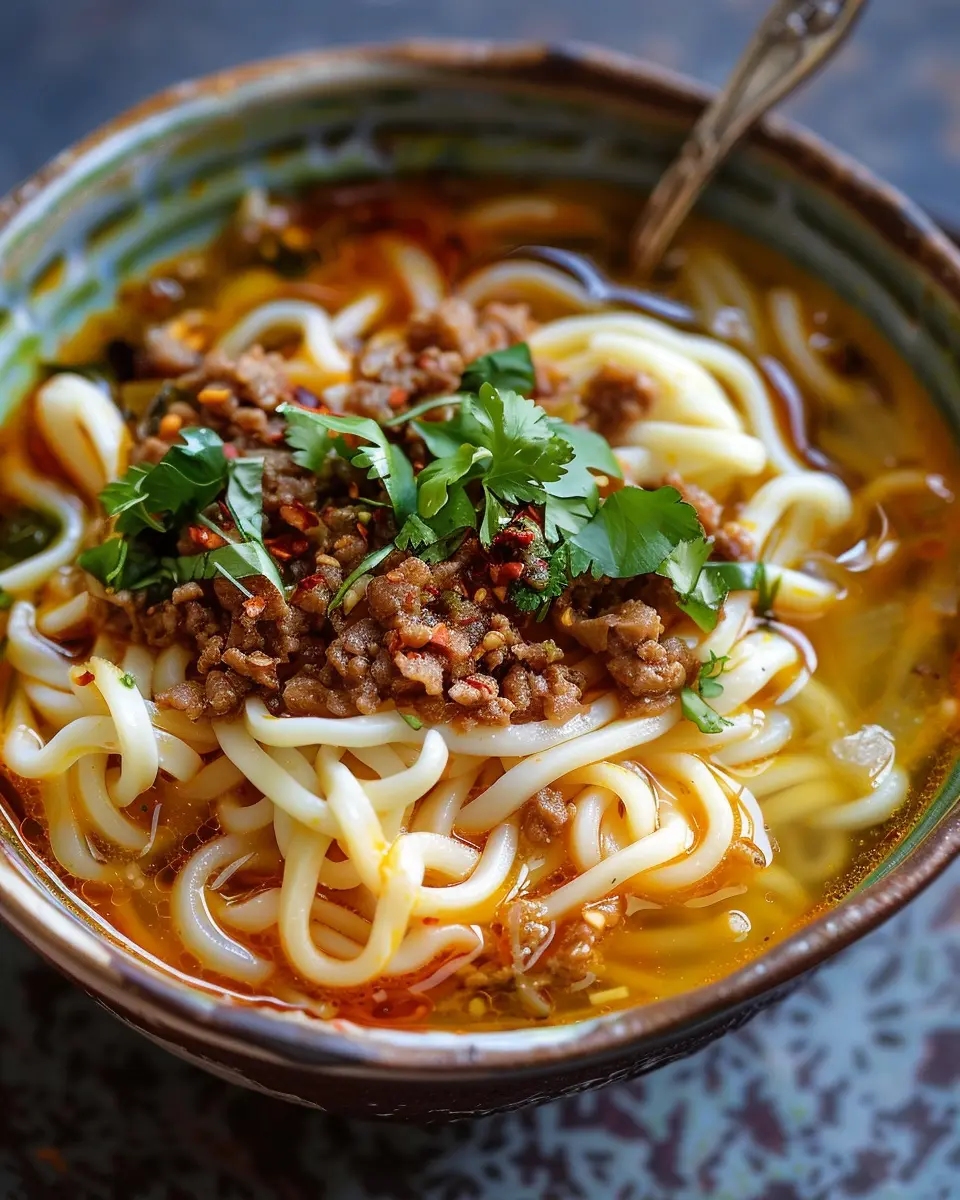
When preparing your delightful Persian Noodle Soup, known as Ash Reshteh, there are a few key ingredients that you shouldn’t overlook. These not only add authentic flavors but also create a hearty and nourishing meal.
- Noodles (Reshteh): The star of the dish, Persian noodles are typically flat and wide, providing a comforting base.
- Legumes: A mix of lentils and chickpeas offers protein and texture, making the soup filling and satisfying.
- Herbs: Fresh herbs like parsley, cilantro, and dill elevate the flavor profile—a must!
- Spinach or Kale: Adding leafy greens gives this soup added nutrition.
- Whey or yogurt: A dollop of kashk (fermented whey) or yogurt adds a distinct tanginess.
If you’re curious about the nutritional benefits of legumes, check out sources like the USDA.
Possible ingredient variations
Feel free to get creative! Depending on your preferences or dietary restrictions, you might consider substituting turkey bacon or chicken ham for a non-traditional yet delicious twist. You could also play around with different vegetables like carrots or zucchini to suit your taste. Remember, the joy of cooking is making it your own! For more ideas on ingredient swaps, take a look at Food52.
Step-by-step Preparation of Persian Noodle Soup
Creating a warming bowl of Persian Noodle Soup is an incredibly fulfilling experience. The intricate aroma of herbs combined with the richness of legumes creates a delicious depth of flavor that is hard to resist. So, let’s dive into this culinary journey step by step—your taste buds will thank you!
Gather and prepare your ingredients
First things first: make sure you have all your ingredients ready. Here’s what you’ll need:
- Legumes: 1 cup of chickpeas (soaked overnight for best results) and 1 cup of lentils
- Noodles: Persian flat noodles or any thin egg noodles
- Aromatics: 1 large onion, finely chopped, and 4 cloves of garlic, minced
- Proteins: Turkey bacon or Chicken ham, diced
- Herbs: A generous handful of fresh cilantro, parsley, and mint
- Spices: Salt, pepper, turmeric, and a pinch of cinnamon
- Broth: 8 cups of vegetable broth or chicken broth
- Serving: Lemon wedges for garnish
Take a moment to set out everything. Prepping your space not only saves time, but it also adds to the joy of cooking. For more tips on ingredient preparation, check out this handy guide.
Sauté the aromatics
Next, let’s get cooking! Heat a large pot over medium heat and add a splash of oil. Once it’s hot, toss in the diced turkey bacon (or chicken ham) and let it crisp up for about 5 minutes. The combination of flavors will start to fill your kitchen with delightful scents.
Now, add the chopped onion and sauté until it becomes translucent, followed by the minced garlic. Stir frequently; you want these aromatics to blend perfectly without browning too much. This step is crucial, as sautéing releases their natural sugars and intensifies their flavors.
Cook the legumes
Time to add the soaked chickpeas and lentils to the pot! Pour in your broth, bring the mixture to a rolling boil, and then reduce it to a simmer. Cover the pot and allow it to cook for about 30 to 40 minutes, or until the legumes are tender. Stir occasionally to make sure nothing sticks to the bottom. Pro tip: Keep a little extra broth or water handy if the soup thickens too much during cooking.
Add the noodles and simmer
Once the legumes are nice and tender, it’s time for the noodles. Gently stir them into the soup, allowing the flavors to meld together beautifully. Continue cooking for an additional 10-15 minutes. As the noodles soften, they’ll soak up the delicious broth, creating a heartwarming mixture.
This is a fantastic opportunity to reflect on how each ingredient contributes to the overall dish. Want more noodle inspiration? Check out our other noodle recipes.
Incorporate the fresh herbs
When the noodles are nearly ready, it’s time for the fresh herbs! Chop your cilantro, parsley, and mint finely, reserving a bit for garnish later. Stir these fragrant herbs into the soup, allowing the freshness to brighten the entire dish. The aroma will change, giving your kitchen a fresh, vibrant scent that will draw everyone in.
Final seasonings and serve
Finally, taste your Persian Noodle Soup for seasoning. Add salt, pepper, a pinch of turmeric, and a dash of cinnamon based on your preference.
Once the seasonings are adjusted to your liking, serve the soup in bowls, garnished with the reserved herbs and a squeeze of fresh lemon juice. This not only adds a zesty kick but also enhances the dish’s aroma.
Now, all that’s left is to enjoy a comforting bowl of warm Persian Noodle Soup, perfect for sharing with loved ones or savoring solo after a long day. Happy cooking!
Variations of Persian Noodle Soup
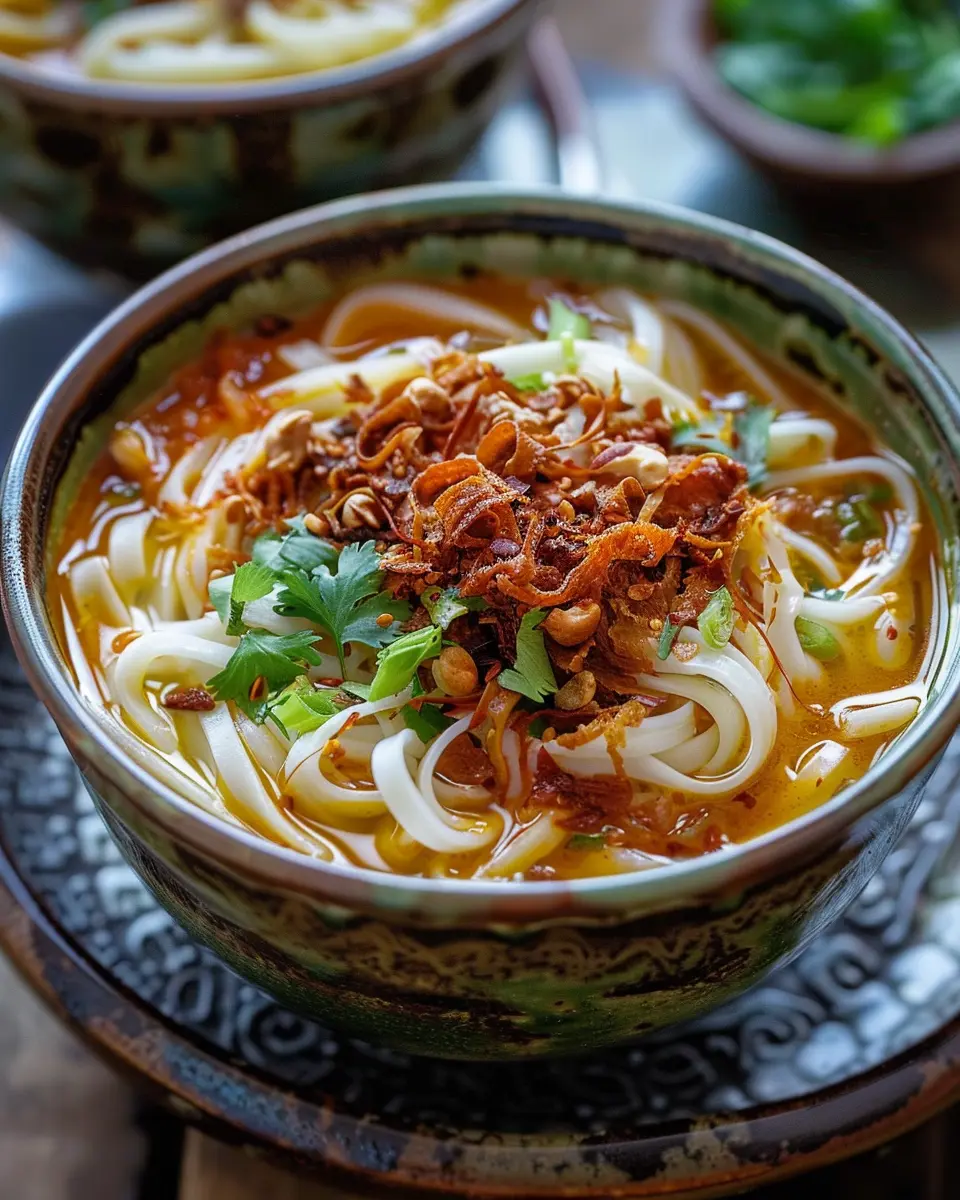
When it comes to Persian noodle soup, known as ash reshteh, there are delightful variations to suit everyone’s palate. Whether you’re vegetarian, vegan, or simply curious about regional differences, this section will inspire you to explore different versions of this comforting dish.
Embracing Vegetarian and Vegan Variations
For those seeking plant-based options, vegetarian and vegan variations of Persian noodle soup are both delicious and fulfilling. Traditional recipes often utilize lentils and a handful of vegetables, but you can easily replace the meat with hearty ingredients like chickpeas or mushrooms. To enhance flavor, experiment with vegetable broth instead of meat broth.
For a truly vibrant rendition, you might consider adding greens like spinach or Swiss chard, which not only elevate the nutritional value but also bring out the dish’s enchanting color. Many people enjoy drizzling some lemon juice or adding a dash of turmeric for an extra zing, making it a popular option for health-conscious food lovers.
Discovering Regional Variations of Ash Reshteh
Every region in Iran has its unique spin on ash reshteh. For instance, in Isfahan, local versions might include distinct herbs or local spices that aren’t found in other areas. In contrast, the northern regions may favor a slightly thicker consistency, complemented by a swirl of yogurt to enrich the flavors.
It’s fascinating to note how these regional variations can reflect the agricultural bounty of their surroundings. As you dive into your Persian noodle soup recipe, consider trying out different herbs like cilantro or parsley to discover the nuanced flavors of each locale. You might be surprised how these small changes can make such a big impact on your culinary experience.
For a deeper exploration of Persian cuisine, consider checking out Persian Food or a resource like Iranian Cuisine for more regional highlights. Happy cooking!
Cooking Tips and Notes for Persian Noodle Soup
Tips for Enhancing Flavor
To elevate your Persian Noodle Soup Recipe, consider adding a few simple ingredients. Fresh herbs like cilantro and mint can bring a delightful freshness, while a squeeze of lemon or lime at the end adds brightness. Don’t forget about spices—cinnamon and turmeric can deepen the flavor profile beautifully. For some extra umami, try incorporating a bit of turkey bacon or chicken ham for a savory bite. Remember, the key to a rich flavor lies in how you layer your ingredients while cooking.
Notes on Preparing Dried vs. Canned Beans
When it comes to beans, you have a choice: dried or canned. If you choose dried beans, soak them overnight and cook them thoroughly to ensure they’re tender and flavorful. This can take a bit of planning, but the taste makes it worthwhile! Alternatively, canned beans are a fantastic time-saver—just rinse them well to get rid of excess sodium. They’re great for quick prep without sacrificing flavor. Ultimately, both options can work wonderfully in your Persian Noodle Soup masterpiece! For more on the benefits of dried vs. canned beans, check out this article from Healthline.
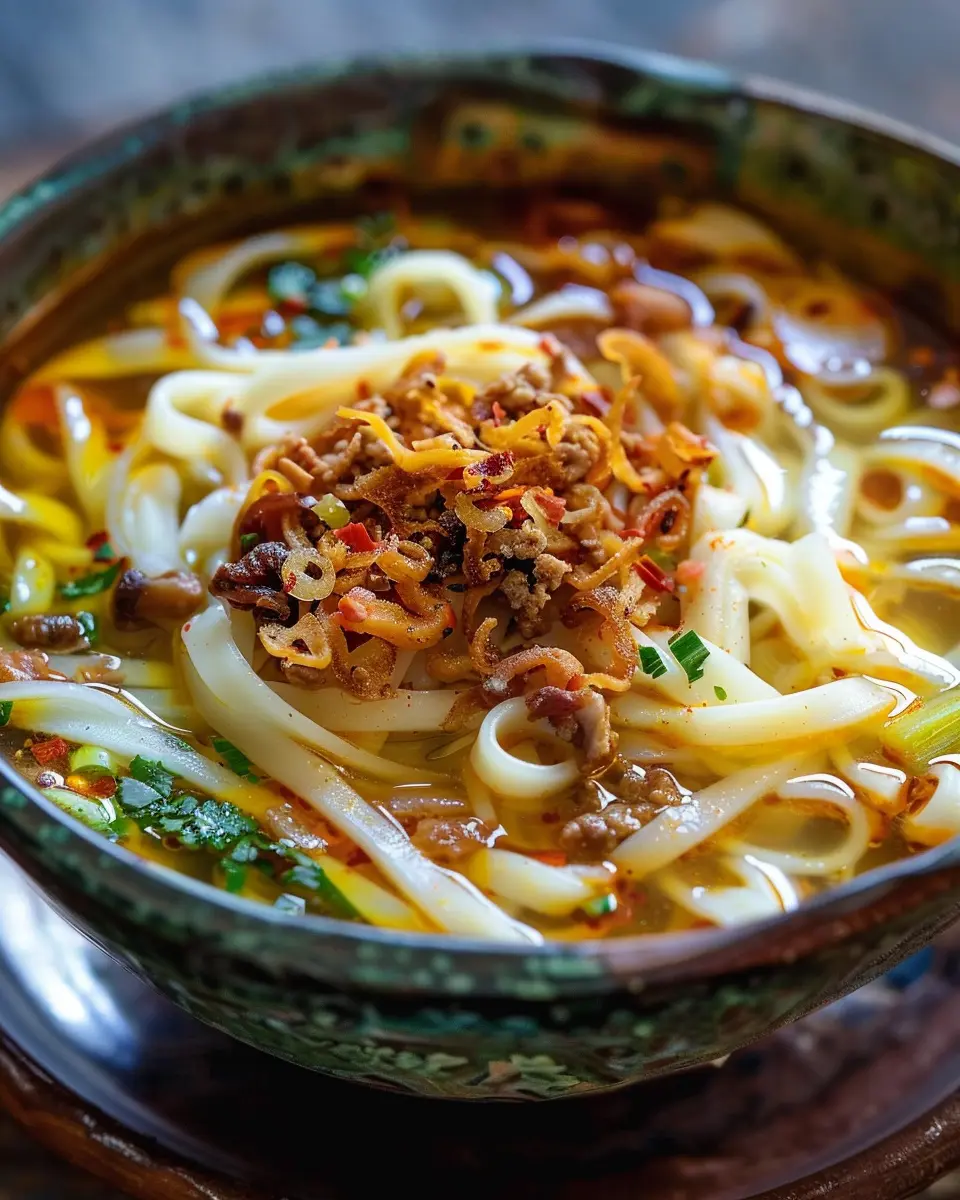
Serving Suggestions for Persian Noodle Soup
Ideal Accompaniments
When you whip up your Persian Noodle Soup, also known as Ash Reshteh, it’s essential to pair it with the right accompaniments to elevate the experience. Consider serving it alongside:
- Fresh Herbs: A platter of parsley, cilantro, and mint can add a burst of flavor.
- Flatbreads: Crusty bread or warm lavash is perfect for scooping up the hearty noodles.
- Yogurt: A side of tangy yogurt drizzled with olive oil enhances the soup’s rich texture.
These complementary items not only round out the meal but also make it visually appealing!
Best Garnishes for Ash Reshteh
Now, let’s talk about garnishes! The right toppings can transform your Persian Noodle Soup Recipe from great to unforgettable. Here are some recommendations:
- Kashk: This fermented whey adds distinctive depth and a hint of nuttiness.
- Fried Onions: Crispy fried onions provide an excellent contrast to the soft noodles.
- Chili Oil: A drizzle of chili oil brings a kick of heat and vibrant color.
Experimenting with these garnishes can bring your dish to the next level, delighting your taste buds and impressing your guests! If you’re curious about more ways to enhance your soup, check out this cooking guide.
Time Breakdown for Persian Noodle Soup
Preparation time
Getting started with your Persian Noodle Soup Recipe is a breeze! You’ll need about 20 minutes for preparation. This includes chopping vegetables and gathering all your ingredients. Don’t rush this part; set the mood with some music and enjoy the chopping!
Cooking time
Once your ingredients are prepped, the cooking takes around 30 minutes. This is when all the magic happens—the flavors meld together, and the aroma fills your kitchen.
Total time
Altogether, you’re looking at a 50-minute endeavor to create a delicious bowl of comfort. It’s totally worth it when you taste that first spoonful! Remember, this soup is perfect for meal prep, so consider making a larger batch for the week ahead. Interested in finding out more about Persian cuisine? Check out this resource for a deeper dive!
Nutritional Facts for Persian Noodle Soup
Calories and Macronutrients
If you’re curious about the Persian Noodle Soup Recipe, you’ll find it to be a nutritious delight! A typical serving contains around 300 calories, making it a satisfying yet light option. The soup features a delicious balance of macronutrients, typically offering about:
- Protein: 10-15 grams
- Carbohydrates: 40-50 grams
- Fat: 5-10 grams
This combination can keep you energized throughout your busy day!
Fiber and Protein Content
One of the standout features of this Persian Noodle Soup Recipe is its fiber and protein content. Thanks to the inclusion of veggies and noodles, each bowl contains roughly 3-5 grams of dietary fiber, aiding in digestion and keeping you full longer. Moreover, the protein from turkey bacon or chicken ham contributes essential amino acids to your diet. Overall, this soup is not just tasty but also a well-rounded meal. For more insights on dietary fibers, check out Healthline’s guide.
Feel free to enjoy a bowl of this warmth-packed soup while appreciating its wholesome nutritional benefits!
FAQ about Persian Noodle Soup
Can I make Ash Reshteh ahead of time?
Absolutely! One of the best things about this Persian Noodle Soup Recipe is that it actually tastes better the next day. The flavors meld beautifully as it sits, making it a perfect candidate for meal prepping. Just prepare your soup up to the point of adding the noodles, then cool it down and store it in the refrigerator. When you’re ready to eat, simply reheat it, add the noodles, and let them cook until tender. For best results, consume it within 3 days.
What can I substitute for Persian noodles?
If you can’t find Persian noodles, don’t worry! Here are a few substitutes to keep your soup delicious:
- Egg noodles: These are a reliable alternative; they’ll add a similar texture.
- Rice vermicelli: A lighter option that will absorb the soup flavors beautifully.
- Soba noodles: These buckwheat noodles can provide a nutty taste and are gluten-free.
Experiment with these options to find your personal favorite!
How do I store leftovers?
Storing your Ash Reshteh is straightforward! Place individual servings in airtight containers and refrigerate. To prevent the noodles from getting mushy over time, it’s best to store the noodles separately from the soup if possible. When reheating, add a splash of water to bring back that fresh soup consistency. If you want to know more about proper food storage, check out this helpful resource for best practices!
With these tips in mind, your Persian Noodle Soup will be ready to enjoy anytime. Happy cooking!
Conclusion on Persian Noodle Soup
Why You Should Try Making Ash Reshteh at Home
Making Persian Noodle Soup at home is not just about enjoying a delicious meal; it’s also an exploration of rich cultural traditions. When you try this Ash Reshteh recipe, you’re stepping into the heart of Persian cuisine, steeped in history and flavor.
- Health Benefits: Packed with legumes and herbs, this soup is nutritious and hearty.
- Connection: Cooking together fosters connections—share the experience with friends or family.
- Flavor Adventure: The unique blend of spices can transform an ordinary day into a gourmet experience.
For a cozy night or gathering, give this delightful soup a try! Don’t miss out on exploring more about Persian dishes here.
PrintPersian Noodle Soup Recipe: A Cozy and Flavorful Delight

A comforting and aromatic Persian noodle soup that’s perfect for any time of the year.
- Prep Time: 15 minutes
- Cook Time: 30 minutes
- Total Time: 45 minutes
- Yield: 4 servings 1x
- Category: Soup
- Method: Stovetop
- Cuisine: Persian
- Diet: Gluten-free
Ingredients
- 1 cup dry noodles
- 4 cups chicken broth
- 1 medium onion, chopped
- 2 cloves garlic, minced
- 2 carrots, diced
- 1 potato, diced
- 1/2 teaspoon turmeric
- 1 tablespoon lemon juice
- Salt to taste
- Fresh parsley for garnish
Instructions
- In a large pot, sauté onions and garlic until translucent.
- Add carrots and potatoes, cook for an additional 5 minutes.
- Pour in the chicken broth, add turmeric, and bring to a boil.
- Stir in the noodles and cook until tender.
- Finish with lemon juice and adjust seasoning. Serve hot garnished with parsley.
Notes
- Feel free to add other vegetables like spinach or peppers.
- For a vegetarian version, substitute chicken broth with vegetable broth.
Nutrition
- Serving Size: 1 bowl
- Calories: 220
- Sugar: 3g
- Sodium: 450mg
- Fat: 5g
- Saturated Fat: 1g
- Unsaturated Fat: 3g
- Trans Fat: 0g
- Carbohydrates: 36g
- Fiber: 4g
- Protein: 10g
- Cholesterol: 20mg
Keywords: Persian noodle soup, cozy recipe, flavorful soup