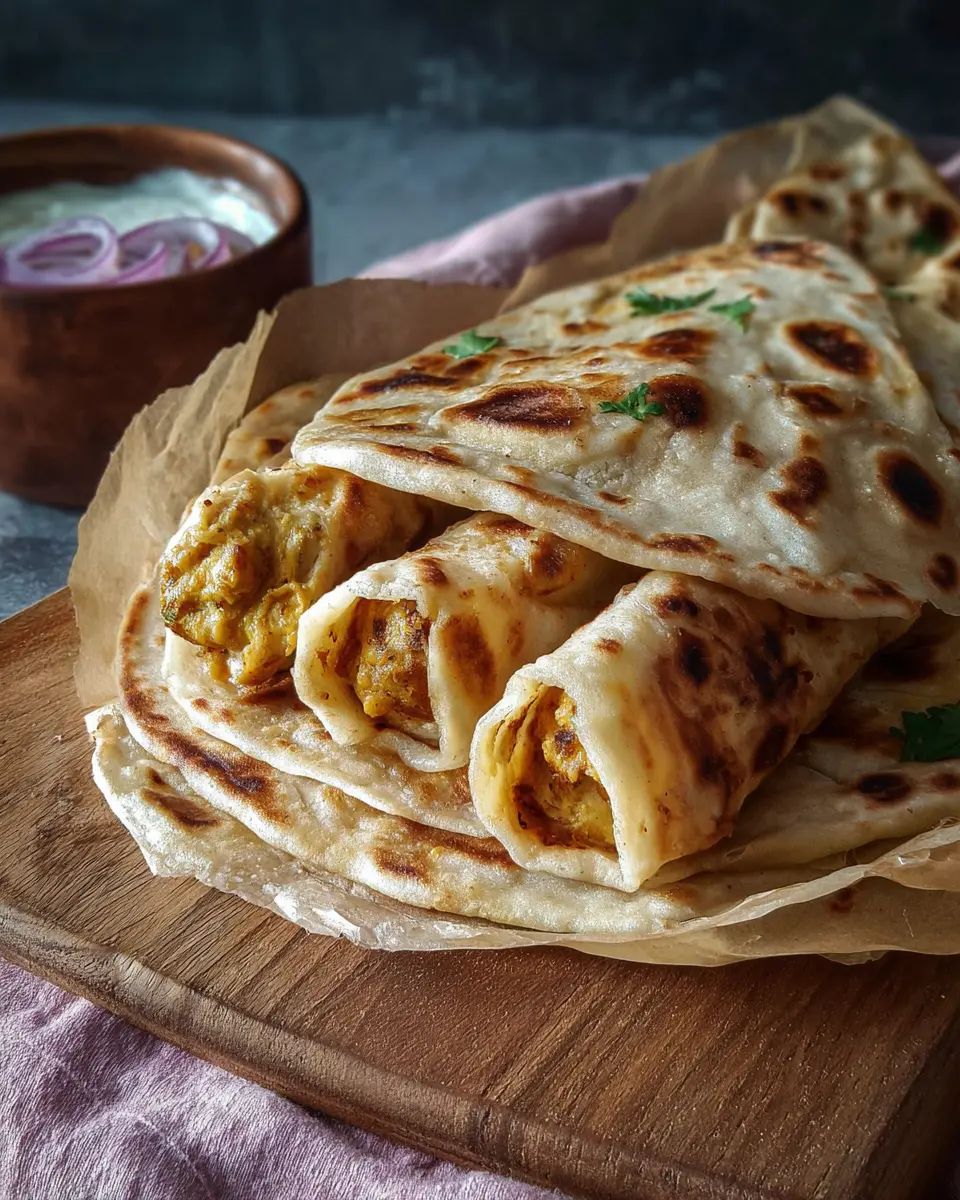
Introduction to Soft Paratha for Chicken Rolls
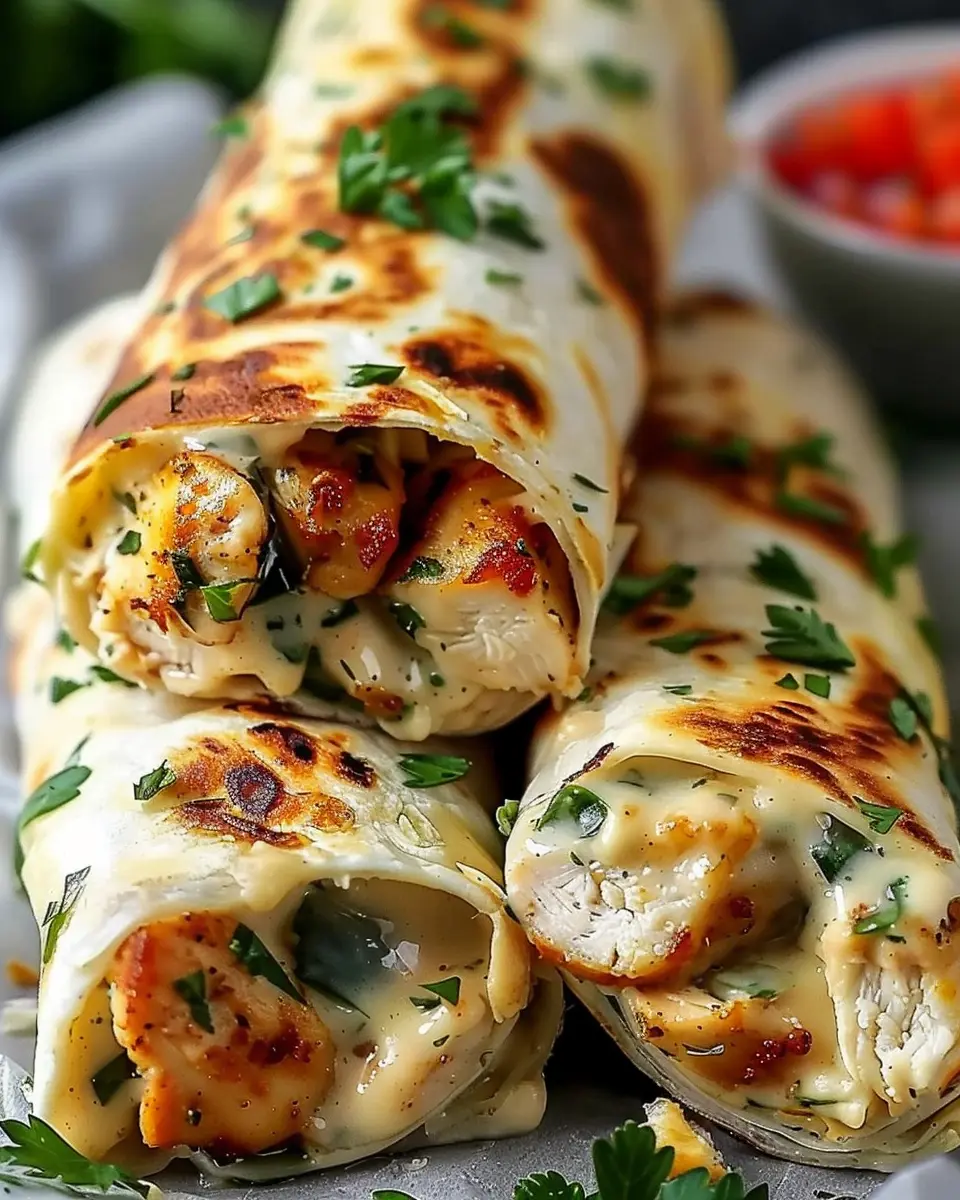
When it comes to creating the perfect chicken roll, the base you choose can make all the difference. Enter the soft paratha—a versatile flatbread that not only adds incredible flavor but also ensures your roll is deliciously satisfying.
Why Soft Paratha is the Perfect Base for Chicken Rolls
So, why is soft paratha the ideal choice for chicken rolls? First off, its texture is a game-changer. Unlike traditional wraps that can tear and crumble, soft paratha offers a delightful chewiness that holds up under pressure. This means you can pile on the juicy chicken and all your favorite toppings without worrying about a messy situation.
- Durability: Soft parathas are resilient, allowing them to encase hearty fillings like grilled chicken or turkey bacon without losing integrity.
- Flavor: The slightly flaky layers of paratha absorb the rich spices and marinades from the chicken, enhancing each bite’s overall taste. Wondering about its nutritional profile? Check out resources like the USDA FoodData for insights on how these ingredients stack up.
- Versatility: Soft parathas can be paired with a variety of flavors. Whether you’re using spicy chicken ham or a milder chicken option, the paratha complements it without overshadowing the main ingredient.
You might be asking, “Can I use other types of bread?” While options like tortillas or pita exist, they often lack the flavor and texture that soft paratha for chicken rolls brings to the table.
Plus, making soft parathas at home can be quite the experience! It’s simple and fun. Picture yourself rolling out the dough, flipping the paratha in the skillet, and watching it puff up perfectly—it’s a culinary celebration. There’s nothing like the aroma of fresh paratha wafting through your kitchen, beckoning everyone to the dining table.
Incorporating soft parathas into your chicken rolls not only creates a satisfying meal but also involves a fun cooking method. Ready to roll? Let’s dive into the details of crafting these beautiful, soft parathas that will make your chicken rolls shine.
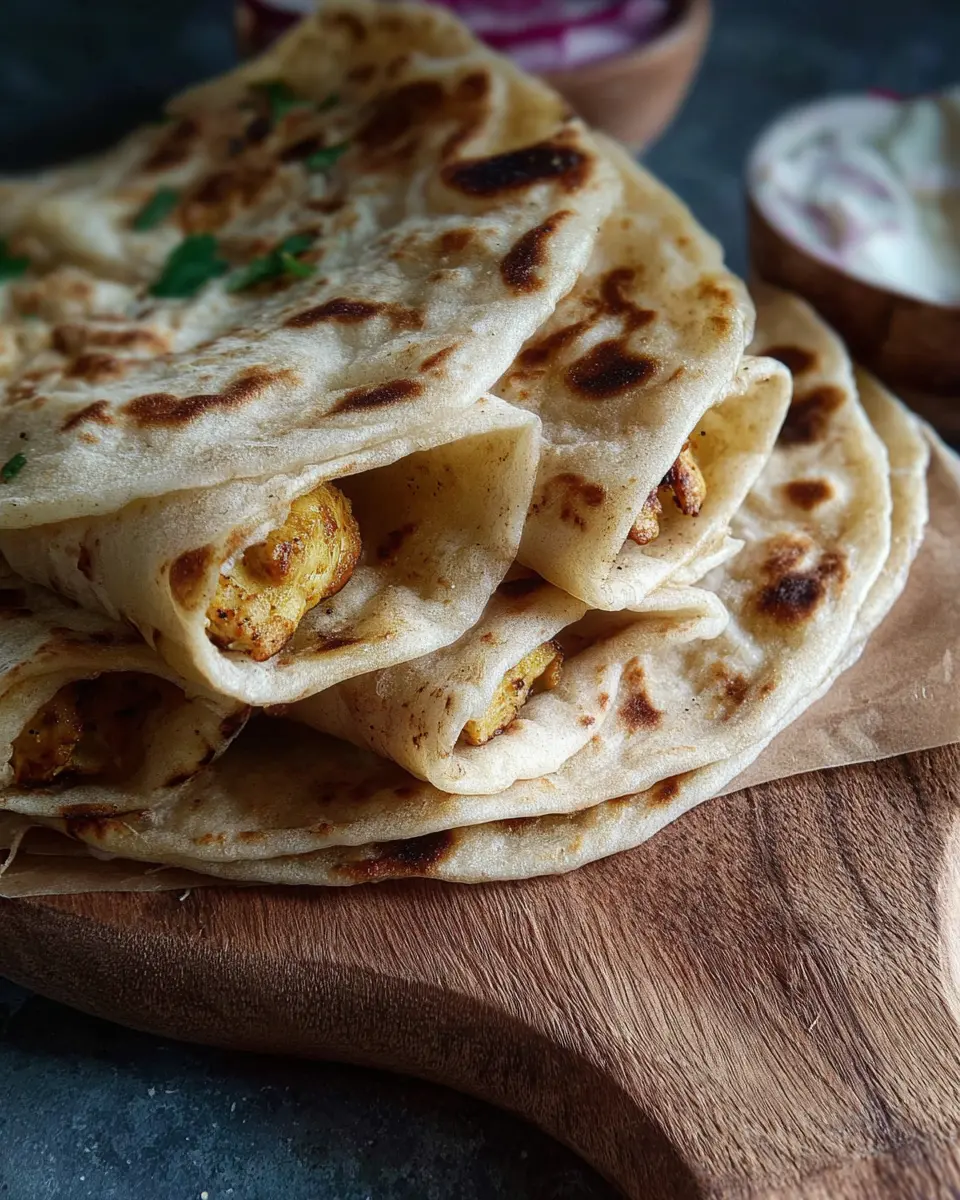
Ingredients for Soft Paratha
When it comes to making the perfect soft paratha for chicken rolls, choosing the right ingredients is essential. Here’s what you’ll need to whip up these delicious flatbreads that will elevate your chicken roll experience to a whole new level.
Essential Ingredients
- All-Purpose Flour: 2 cups (for that soft and fluffy texture)
- Water: ¾ cup (or enough to form a dough)
- Salt: ½ teaspoon (to enhance flavor)
- Oil or Ghee: 2 tablespoons (optional, for extra richness)
- Baking Powder: ½ teaspoon (to make them even softer)
Tips for Success
When mixing your dough, ensure it’s not too sticky or too dry. You want a smooth and pliable texture. Resting the dough for at least 30 minutes is crucial, as it helps gluten development, leading to softer parathas.
Curious about the science behind this? According to experts from the Science of Cooking, letting dough rest can significantly improve its texture.
Aim for that perfect softness—this is what pairs so beautifully with your favorite chicken rolls. Happy cooking!
Step-by-step Preparation of Soft Paratha
Making soft parathas is a delightful culinary journey that not only fills your kitchen with an irresistible aroma but also adds a delightful touch to your chicken rolls. Let’s go through the preparation process step by step.
Gather the ingredients
To begin with, ensure you have all the ingredients at hand. This makes the cooking process smooth and enjoyable. Here’s what you will need:
- Flour: 2 cups of all-purpose flour (or whole wheat, if you prefer)
- Salt: ½ teaspoon
- Oil: 2 tablespoons (preferably vegetable or ghee)
- Warm water: ¾ cup (adjust as needed)
- Optional: Add in spices like cumin or black pepper for a subtle flavor boost.
Having everything prepped not only saves time but also keeps you from scrambling in the middle of kneading the dough. It’s those little moments of preparation that can really enhance your cooking experience.
Mix the dry ingredients and oil
In a mixing bowl, combine the flour and salt. Stir them gently to distribute the salt evenly throughout the flour. Once mixed, add the oil and rub it into the flour with your fingertips until the mixture resembles breadcrumbs. This technique helps create that beautiful, flaky texture in your soft parathas for chicken rolls.
Gradually add warm water
Now, it’s time to hydrate our flour mixture. Using your hand, gradually add in the warm water, mixing it into the flour. The trick is not to pour it all in at once; just a little at a time. You’re looking for a pliable, soft dough, so adjust the water as needed. If you find your dough too sticky, simply sprinkle in a bit more flour—like a cooking lifesaver!
Knead the dough to perfection
Kneading is where the magic happens! As you knead, try for about 8 to 10 minutes, you’re developing the gluten in the flour, which will give your parathas that lovely elasticity. The goal is to achieve a smooth, soft dough. If you find it too hard, a splash more water can do wonders; if too sticky, another dusting of flour is your solution.
Rest the dough for softness
Once you’ve kneaded your dough, cover it with a damp cloth or plastic wrap, and let it rest for at least 30 minutes. This is crucial! Resting allows the gluten to relax, which will result in soft parathas that are easy to roll out. Think of this time as a well-deserved break for your dough!
Divide and roll out the dough
Now that your dough has rested, it’s time to divide it into smaller portions, typically making 8 equal balls. This size is perfect for individual parathas. Lightly dust your work surface with flour, and start rolling out each ball into a round, thin circle. Remember, practice makes perfect! If the shape isn’t perfect, don’t fret—those rustic edges add character.
Cook the paratha on a hot pan
Heat a tawa or non-stick skillet over medium-high heat. Once hot, place your rolled-out paratha in the pan. Cook for about 1-2 minutes on one side until golden brown spots form. Flip it over and add a little oil or ghee around the edges if you desire. Keep flipping until both sides are fully cooked and have that beautiful golden-brown color, making them irresistible—ideal for wrapping around chicken rolls.
Keep the cooked parathas warm and soft
After cooking, stack your parathas in a container lined with a clean kitchen towel. Covering them keeps the moisture in, ensuring they remain warm and soft until you’re ready to use them. They’re perfect for stuffing with your favorite chicken filling or even just enjoying with yogurt and mint chutney.
These steps will guide you in creating soft parathas that are not only a wonderful addition to your chicken rolls but also a delightful standalone treat. Have you tried variations with spices or fillings? Feel free to share your experience in the comments or check out some expert tips on dough techniques here for even more inspiration!
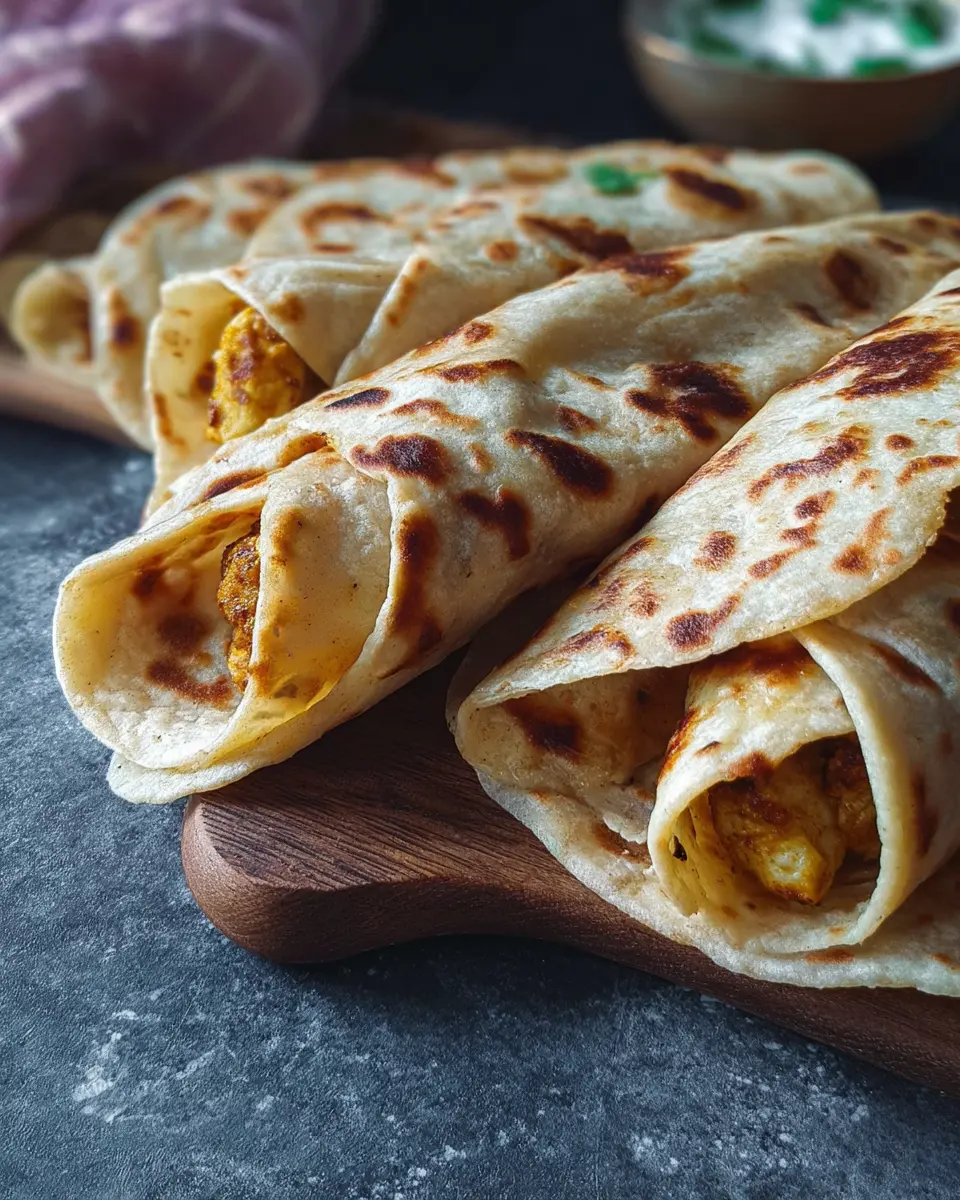
Variations of Soft Paratha
When you think of soft paratha for chicken rolls, the classic version comes to mind. But did you know there are delightful variations to elevate your culinary experience? Here’s how you can mix things up!
Whole Wheat Paratha for a Healthier Twist
If you’re on a health kick, consider using whole wheat flour instead of regular all-purpose flour. Not only does it provide a nuttier flavor, but it also adds fiber and essential nutrients, making your paratha even more satisfying. Whole wheat paratha pairs wonderfully with fillings like turkey bacon or chicken ham, bringing an earthy balance to your chicken rolls. Plus, you can find more insights on the benefits of whole grains at Healthline.
- Texture: A bit denser, yet still soft and flaky.
- Flavor: Earthy and robust, complementing rich fillings.
- Nutrition: Higher fiber content helps keep you full longer.
Flavored Paratha with Herbs and Spices
Why stick to the basics when you can infuse your paratha with exciting flavors? Adding herbs like cilantro or spices such as cumin can transform your soft paratha for chicken rolls into something extraordinary. Imagine a paratha seasoned with garlic or ajwain, which not only tastes delicious but also aids digestion—something you can learn more about at Medical News Today.
- Customization: Get creative! Use spices that resonate with your palate.
- Aromatic: The medley of herbs not only enhances taste but also the aroma.
- Versatile: Can complement a variety of main dishes, from grilled chicken to spicy tofu.
Experimenting with these variations can truly elevate your next meal. Whether you go healthy with whole wheat or zingy with spices, your soft paratha for chicken rolls will be a hit at your next gathering. So, what are you waiting for? Let your taste buds explore!
Cooking Tips for Soft Paratha
Creating the perfect soft paratha for chicken rolls can transform your meal from ordinary to extraordinary! Here are some tried-and-true tips that will help you achieve that glorious softness every time.
Use the Right Flour
Opt for atta flour (whole wheat flour) for making your paratha. This not only enhances the flavor but also contributes to that soft texture. A mix of all-purpose flour can also be included for added tenderness.
Knead with Care
Take your time while kneading the dough until it’s smooth and pliable. Adding a little oil during this process can make a big difference, contributing to that softness you crave.
Rest is Key
Let your dough rest for at least 30 minutes after kneading. This allows gluten to relax, yielding perfectly flexible parathas.
Roll Evenly
When rolling out your parathas, aim for uniform thickness. Thin edges can lead to a chewy texture.
Cook with Precision
Cook on a hot tava or skillet to achieve the right amount of puffiness. Flip it often and drizzle with ghee for an irresistible flavor boost.
For more tips on achieving the perfect soft paratha for chicken rolls, consider exploring resources like Serious Eats or BBC Good Food for additional cooking techniques and inspiration. Happy cooking!
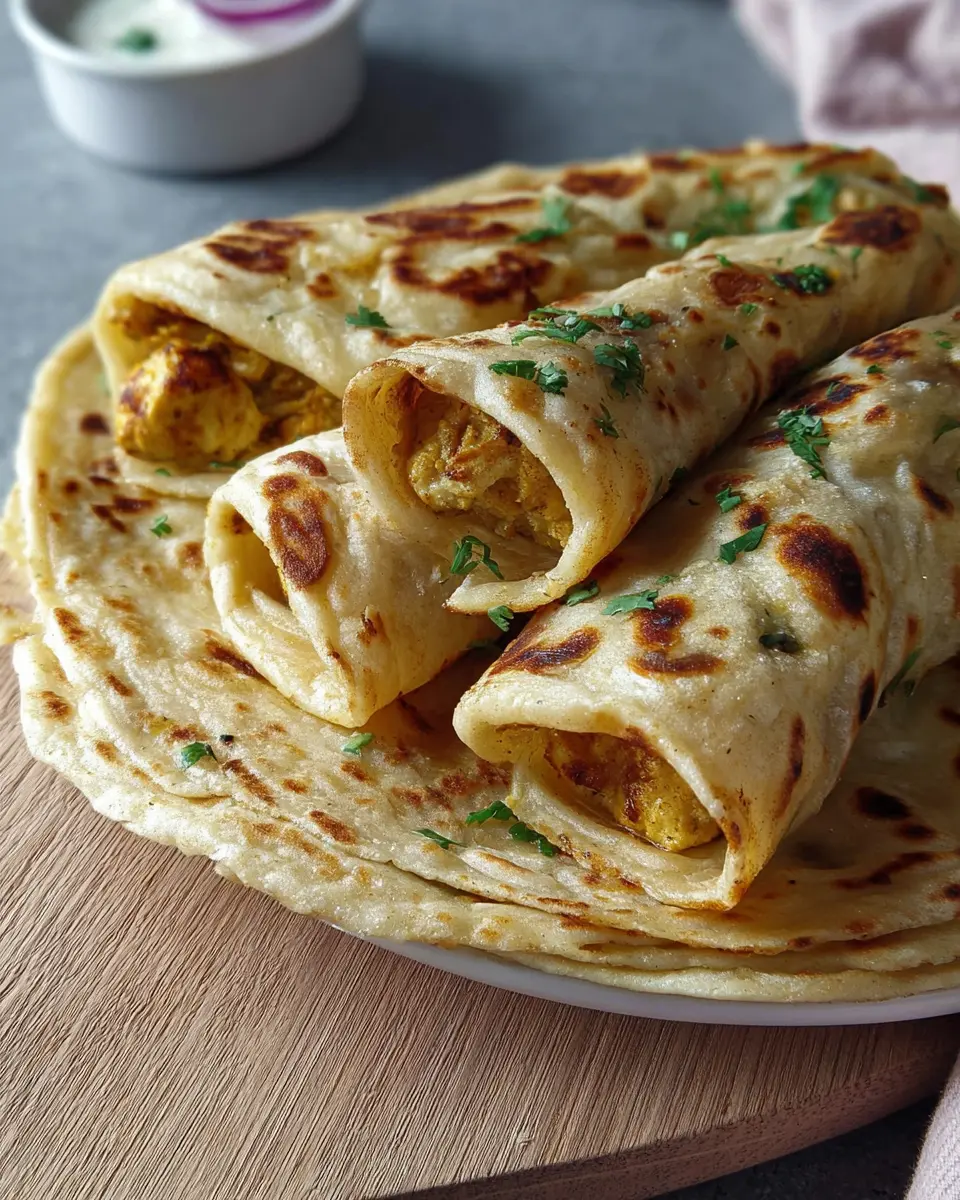
Serving Suggestions for Chicken Rolls with Soft Paratha
When it comes to creating mouth-watering chicken rolls, nothing beats the soft paratha for chicken rolls. Its flaky texture and buttery taste perfectly complement the savory fillings. To take your chicken rolls to the next level, consider these serving suggestions:
Fresh Toppings to Elevate Flavor
- Crispy Vegetables: Adding thinly sliced cucumbers, carrots, or onions brings a crunch that balances the softness of the paratha.
- Flavorful Sauces: Drizzle some tangy yogurt sauce, spicy chili sauce, or even a homemade garlic mayo for an instant flavor boost.
Perfect Pairings
Served alongside your chicken rolls, a refreshing salad made with mixed greens and a light vinaigrette can enhance the meal. Additionally, consider pairing your rolls with a chilled lemon-mint soda or a refreshing ginger lemonade. These beverages not only cleanse the palate but also echo the dish’s spices.
Personal Touch
What garnishes do you love? Try a squeeze of fresh lime or chopped cilantro. It’s all about customizing your rolls to match your taste preferences.
For more creative ideas on rolling techniques, check out BBC Good Food’s guidelines for mastering your wraps!
Ultimately, enjoy experimenting with different combinations to create a meal that feels uniquely yours. Happy eating!
Time Breakdown for Making Soft Paratha
Preparation Time
Making soft paratha for chicken rolls isn’t as time-consuming as it might seem. You’ll want to set aside about 15–20 minutes for preparation. This includes gathering your ingredients, mixing the dough, and letting it rest. It’s a good time to catch up on your favorite podcast or playlist—multitasking can be fun!
Cooking Time
Once your dough has rested, each soft paratha takes around 2–3 minutes to cook on a hot skillet. Depending on how many you’re making, the total cooking time may vary. It’s during this phase that the aroma of freshly cooked paratha will fill your kitchen—who could resist that?
Total Time
Altogether, you’re looking at roughly 30–40 minutes from start to finish. Perfect for a quick weeknight meal or a special weekend brunch. With this efficient time breakdown, you’ll have fluffy, delicious parathas ready to roll up with your choice of fillings!
For additional tips and variations, check out this source on making the ideal flatbreads. Experimenting with different flours or spices can elevate your soft paratha experience, too. What will you try next?
Nutritional Facts for Soft Paratha
Calories
A typical soft paratha contains roughly 150-200 calories per serving. This makes it a moderate energy source, perfect for fueling your busy day without weighing you down. Pair it with your favorite fillings, like chicken or veggies, and it becomes a satisfying meal option.
Carbohydrates
When it comes to carbohydrates, a soft paratha for chicken rolls usually provides around 30-35 grams. These carbs primarily come from the whole wheat flour, which offers not only energy but also essential nutrients. For more insights on whole grains, check out Whole Grains Council.
Fats
Soft parathas generally contain about 5-7 grams of fat. The fat content can vary based on the method of preparation—using butter or oil will increase the fat. Opt for healthier fats when you can, like olive oil, to keep it light yet flavorful. For detailed guidelines on dietary fats, visit American Heart Association.
These nutritional aspects make soft parathas a versatile base for chicken rolls, ensuring you’re both satisfied and energized for whatever the day throws at you!
FAQ About Soft Paratha and Chicken Rolls
Can I make soft paratha ahead of time?
Absolutely! You can prepare your soft paratha for chicken rolls in advance. If you’re planning a meal, consider making the parathas a few hours ahead. Just cook them until they are lightly golden, then let them cool completely. Once cooled, you can stack them with parchment paper in between to prevent sticking. Wrap them in cling film or store them in an airtight container. They can be kept in the fridge for up to two days. When you’re ready to use them, just warm them in a skillet for a few minutes.
What are the best fillings for chicken rolls?
The beauty of chicken rolls lies in their versatility! For a delicious filling, consider:
- Spiced Chicken: Marinate chicken pieces in yogurt, lemon juice, and spices before cooking.
- Turkey Bacon: A savory twist that adds a nice crunch.
- Chicken Ham: This adds a unique flavor when combined with greens or sauces.
- Vegetables: Add fresh veggies like cucumbers, coriander, or lettuce for crunch.
- Sauces: Don’t forget a drizzle of your favorite sauce—mayo, garlic sauce, or a hint of hot sauce for some zing!
For more filling ideas, check out this great guide on chicken roll variations.
How do I store leftover parathas?
If you’re lucky enough to have parathas left over, they can be stored with ease. Simple place them in an airtight container, separating each with parchment paper. They can last up to three days in the fridge. If you want to keep them longer, consider freezing them. Wrap each paratha in plastic wrap, then place them in a freezer bag. They can last for a month frozen! When you’re ready to eat, just reheat them on a skillet or microwave for instant satisfaction.
Feel free to ask more questions or share your experiences with making soft paratha for chicken rolls!
Conclusion on Soft Paratha for Chicken Rolls
Creating the perfect soft paratha for chicken rolls is not just about impressing your friends; it’s a journey of flavors and texture that can elevate any meal. These versatile wraps are not only easy to make but also a delicious way to enjoy your favorite fillings, from seasoned chicken to crisp veggies.
As you master this recipe, remember that practice makes perfect. Your first few attempts might not be flawless, but don’t let that discourage you! Enjoy the process, experiment with spices, and find the balance that suits your palate.
For tips on varying your filling options and ensuring the best cooking technique, check out resources like Serious Eats or BBC Good Food. Your culinary adventure awaits, so dive in and enjoy those soft parathas filled with your favorite ingredients!
PrintSoft Paratha for Chicken Rolls: The Best Homemade Delight

Learn how to make the best homemade soft paratha for chicken rolls that will delight your taste buds.
- Prep Time: 15 minutes
- Cook Time: 20 minutes
- Total Time: 35 minutes
- Yield: 8 parathas 1x
- Category: Bread
- Method: Stovetop
- Cuisine: Indian
- Diet: Vegetarian
Ingredients
- 2 cups all-purpose flour
- 1/2 teaspoon salt
- 1 tablespoon oil
- 3/4 cup water (as needed)
Instructions
- In a large mixing bowl, combine the flour and salt.
- Add oil and mix it into the flour.
- Gradually add water, mixing until a soft dough forms.
- Knead the dough for about 5-10 minutes until smooth.
- Cover the dough and let it rest for 30 minutes.
- Divide the dough into equal portions.
- Roll each portion into a circle and cook on a hot skillet until golden brown.
Notes
- For extra flavor, you can add various spices to the dough.
- Ensuring the skillet is hot enough helps achieve the perfect paratha.
Nutrition
- Serving Size: 1 paratha
- Calories: 150
- Sugar: 0g
- Sodium: 120mg
- Fat: 4g
- Saturated Fat: 0.5g
- Unsaturated Fat: 2.5g
- Trans Fat: 0g
- Carbohydrates: 24g
- Fiber: 1g
- Protein: 4g
- Cholesterol: 0mg
Keywords: Soft Paratha for Chicken Rolls, Homemade Paratha