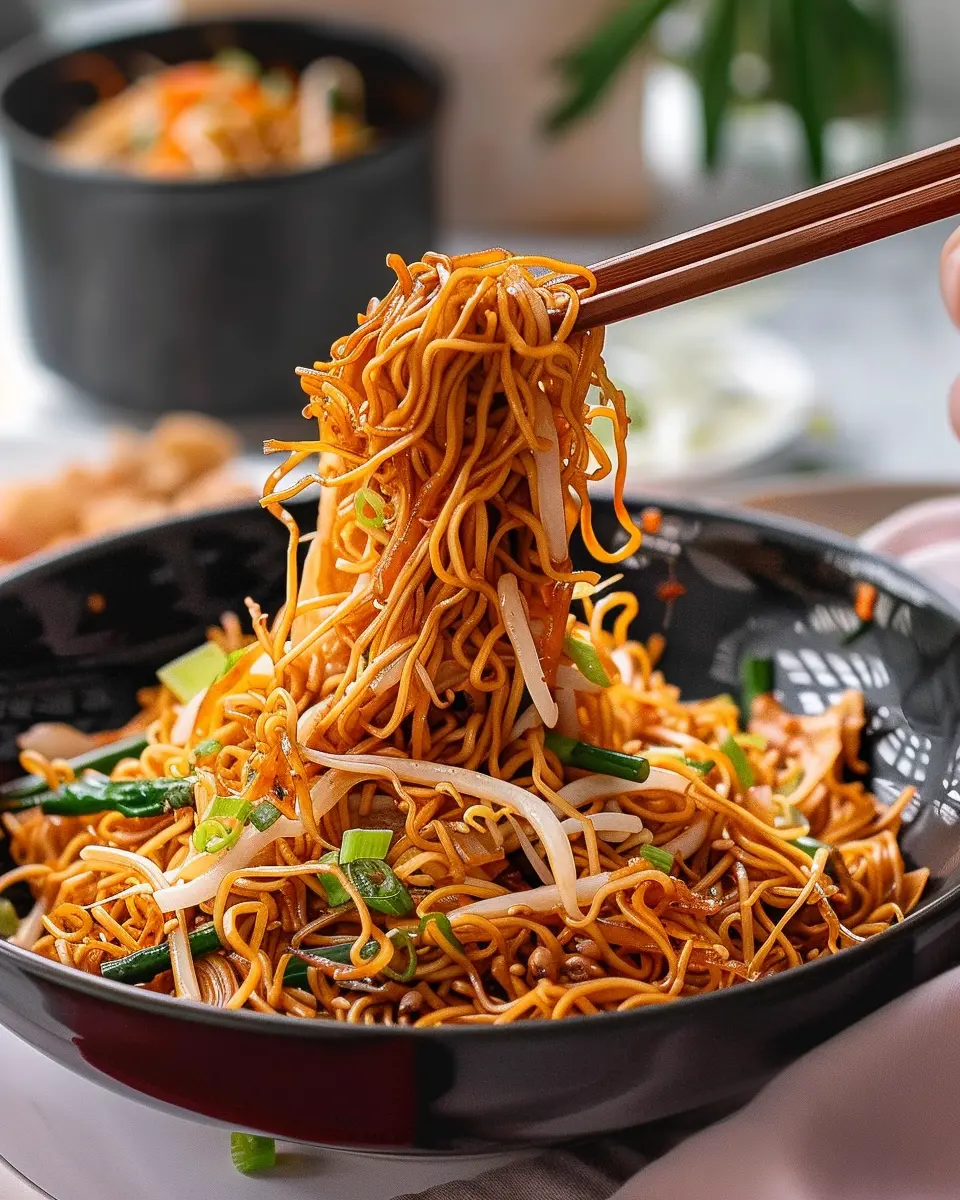
Introduction to Cantonese Chow Mein
Cantonese Chow Mein is a delightful dish that brings together the vibrant flavors and textures of Asian cuisine right into your home kitchen. But why opt for homemade when we have so many takeout options available? Well, let me walk you through the perks!
Why Homemade Cantonese Chow Mein?
Creating Cantonese Chow Mein at home isn’t just about saving a few bucks; it’s an opportunity to connect with food in a way that’s fulfilling and creatively satisfying. The joy of preparing a dish tailored to your palate is unmatched. Here are a few compelling reasons to roll up your sleeves and give it a go:
-
Freshness and Quality: When you cook at home, you control every ingredient. Are you a fan of crunchy vegetables or prefer a softer texture? The choice is yours! Plus, using fresh ingredients ensures that your dish is both nutritious and bursting with flavor. According to the American Heart Association, cooking meals yourself can promote healthier eating habits.
-
Customization: Cooking your own Cantonese Chow Mein means you can modify the recipe to suit your dietary preferences. Whether you’re switching out traditional pork for beef or opting for turkey bacon instead of standard meats, you have the creative freedom to adapt the dish.
-
Bounty of Flavors: The harmonious blend of soy sauce, fresh vegetables, and savory meats creates a flavor profile that might be hard to find in takeout. Plus, you can experiment with seasonal ingredients to give your dish a unique twist.
-
A Social Experience: Preparing a meal can be a wonderful group activity. Think about hosting a cooking night with friends or family where everyone can contribute to making their own version of Cantonese Chow Mein. It’s a great way to bond while enjoying the process of cooking together.
So, why not swap out that delivery menu for fresh ingredients and your very own wok? Dive into this delightful culinary adventure and impress yourself with how rewarding homemade Cantonese Chow Mein can be. With just a few ingredients and some enthusiasm, you’ll create a meal that doesn’t just fill the belly—it fills the heart.
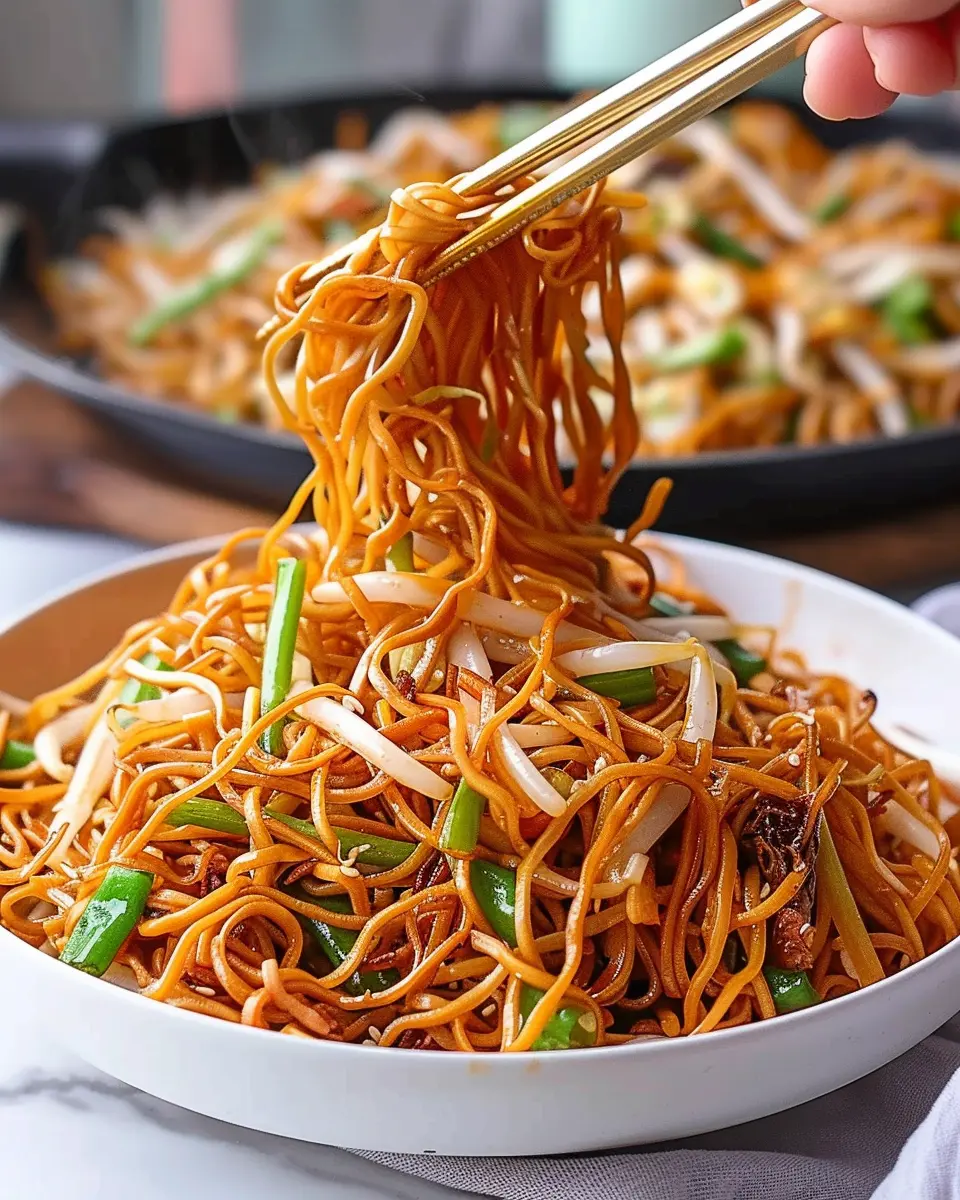
Ingredients for Cantonese Chow Mein
Essential ingredients for the stir-fry
Creating the perfect Cantonese Chow Mein starts with fresh, high-quality ingredients. Here’s what you’ll need:
- Chow Mein Noodles: Look for fresh or dried egg noodles; they deliver the authentic texture.
- Protein: Choose Turkey Bacon or Chicken Ham for a savory twist. You can also go for beef strips for added flavor.
- Vegetables: Bell peppers, carrots, and bean sprouts add crunch and color.
- Aromatics: Garlic and ginger are essential for that aromatic base.
- Sauce Ingredients: Soy sauce and oyster sauce are staples, providing depth of flavor.
By using the freshest ingredients, you set the stage for a delightful culinary experience. Remember, the quality of ingredients makes all the difference!
Recommended brands for quality ingredients
When you’re shopping for your Cantonese Chow Mein essentials, consider these well-known brands:
- Noodles: Look for Nongshim or Kraft for quality egg noodles.
- Sauces: Kikkoman soy sauce and Lee Kum Kee oyster sauce are two reliable choices that deliver on flavor.
- Turkey Bacon and Chicken Ham: Brands like Applegate offer great options for leaner meats.
Investing in good quality ingredients enhances your dish’s overall taste and makes your Cantonese Chow Mein shine! For more details on finding quality ingredients, check out this guide on choosing the best sauces.
Preparing Cantonese Chow Mein
Cantonese Chow Mein is a beloved dish known for its deliciously crispy noodles and vibrant vegetables. If you’re ready to create this culinary masterpiece in your kitchen, you’re in for a treat! Let’s break it down into manageable steps to ensure your Chow Mein turns out perfectly every time.
Gather your ingredients
Before diving into the cooking process, it’s essential to gather all the necessary ingredients. Here’s what you’ll need:
- Chow mein noodles (fresh or dried)
- Vegetables (bell peppers, broccoli, carrots, and bean sprouts work best)
- Lean protein (Turkey Bacon or Chicken Ham)
- Aromatics (garlic and green onions)
- Soy sauce
- Oyster sauce (or a vegetarian alternative)
- Sesame oil
- Cornstarch
- Vegetable oil (for frying)
Having everything ready will make your cooking experience smooth and enjoyable. Feel free to be creative with your veggies; the more colorful your dish, the better!
Prepping the chow mein noodles
If you’re using dried chow mein noodles, cook them according to the package instructions until they’re al dente, then rinse them with cold water to stop the cooking process. This prevents them from becoming mushy later. For fresh noodles, you’re in luck—they’re often quicker to prepare. Just give them a quick rinse and they’re good to go!
Making the stir-fry sauce
A great Chow Mein needs a fantastic sauce. Combine the following ingredients in a small bowl:
- 3 tablespoons soy sauce
- 2 tablespoons oyster sauce
- 1 teaspoon sesame oil
- 1 teaspoon cornstarch mixed with 2 tablespoons water
This sauce will be your flavor powerhouse! Feel free to adjust the ratios based on your taste.
Sautéing aromatics
In a large wok or skillet, heat a tablespoon of vegetable oil over medium-high heat. Add minced garlic and chopped green onions, stirring them for about 30 seconds until fragrant. This step is crucial as it infuses the oil with incredible flavor—remember, a good aroma equals good food!
Cooking and crisping the noodles
At this stage, it’s all about the noodles. Push the aromatics to one side of the pan and add the prepared chow mein noodles. Allow them to fry undisturbed for a few minutes. This will create a deliciously crispy layer on the bottom. Once the edges start to turn golden brown, gently stir to encourage even cooking. Don’t rush this process—it’s the secret to that perfect crunch!
Stir-frying with vegetables
Now it’s time to introduce your vibrant vegetables! Add the chopped bell peppers, broccoli, and carrots to the wok. Stir-fry them for about 2 minutes until they’re tender yet crisp. Then, toss in the bean sprouts and your protein choice (Turkey Bacon or Chicken Ham). Pour the stir-fry sauce over everything, and toss until well coated. This stage is where flavors truly meld, so keep the heat high for a delightful sizzle!
Finishing touches
Once everything is cooked through, it’s critical to taste and adjust. Need more soy sauce? A dash more sesame oil? Your Chow Mein should sing with flavor! Serve hot, garnished with additional green onions if you like. This dish is great on its own or paired with a side of sweet chili sauce for that extra kick!
In conclusion, preparing Cantonese Chow Mein is not just about following steps; it’s about enjoying the process. So, gather your favorite ingredients, get ready to sizzle, and embrace the satisfaction of creating a dish that’s sure to impress! For culinary tips and ingredient sources, consider checking out Serious Eats or BBC Good Food for expert insights. Happy cooking!
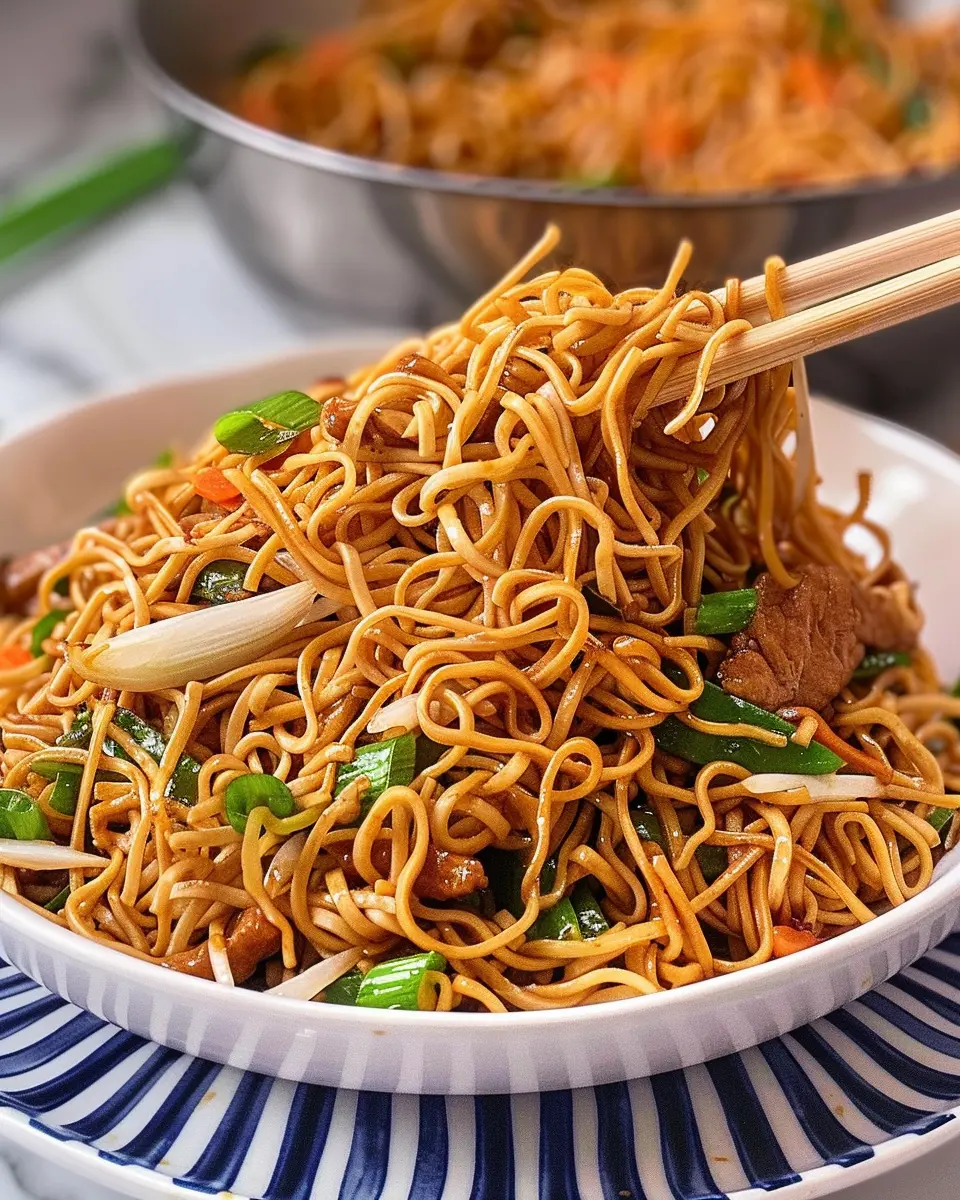
Variations of Cantonese Chow Mein
Cantonese Chow Mein is incredibly versatile, making it easy to tailor to your tastes. Let’s explore some delicious variations!
Vegetarian Cantonese Chow Mein
For those seeking a meat-free option, Vegetarian Cantonese Chow Mein is a fantastic choice. Imagine vibrant, crunchy vegetables stir-fried with perfectly cooked noodles! You can use staples like bell peppers, carrots, and cabbage, along with aromatic ingredients such as garlic and ginger. For a bit of a kick, consider adding a splash of soy sauce or sesame oil. If you want to dive deeper into vegetarian recipes, you might find inspiration on The Spruce Eats.
Adding Proteins: Chicken or Tofu Options
For another flavor profile, feel free to add proteins like chicken or tofu. Chicken breast, thinly sliced, works perfectly in Cantonese Chow Mein when marinated briefly in soy sauce, which adds depth to every bite. Alternatively, cubed tofu—especially if pan-fried to a golden brown—provides a hearty texture. This option is not just great for vegetarians but also for anyone looking to include more plant-based meals in their diet.
Other Veggie Options to Mix In
Don’t hesitate to get creative with your veggies! Snap peas, broccoli, or even zucchini can enhance the dish. Have you ever tried adding water chestnuts? They give an incredible crunch that contrasts beautifully with the soft noodles. And let’s not forget about bean sprouts for that classic crunch found in authentic Chow Mein dishes. Play around with your favorite veggies and develop your personality in this dish!
Remember, the beauty of Cantonese Chow Mein lies in its adaptability, making it a delightful option for any palate.
Cooking Tips for Cantonese Chow Mein
Expert Tips for Perfect Texture
To achieve the ideal texture in your Cantonese Chow Mein, there are a few key techniques to keep in mind. First, ensure you use fresh egg noodles, as they provide the best bite and flavor. You can easily find them in Asian grocery stores or online. Second, don’t skip the step of blanching your noodles in boiling water for just a minute before stir-frying; this helps them maintain their structure while absorbing all the delightful flavors from your sauce.
Common Pitfalls and How to Avoid Them
A common mistake in making Cantonese Chow Mein is overcrowding the pan. When stir-frying, it’s crucial to give your ingredients space to cook evenly. A good rule of thumb? Cook in batches if you have a large amount. Further, be cautious with the sauce. Adding too much liquid can lead to soggy noodles. Instead, start with a small amount and gradually add more if needed until you find the perfect balance.
If you’re keen to dive deeper into Asian cooking techniques, check out resources like Serious Eats for more insights!
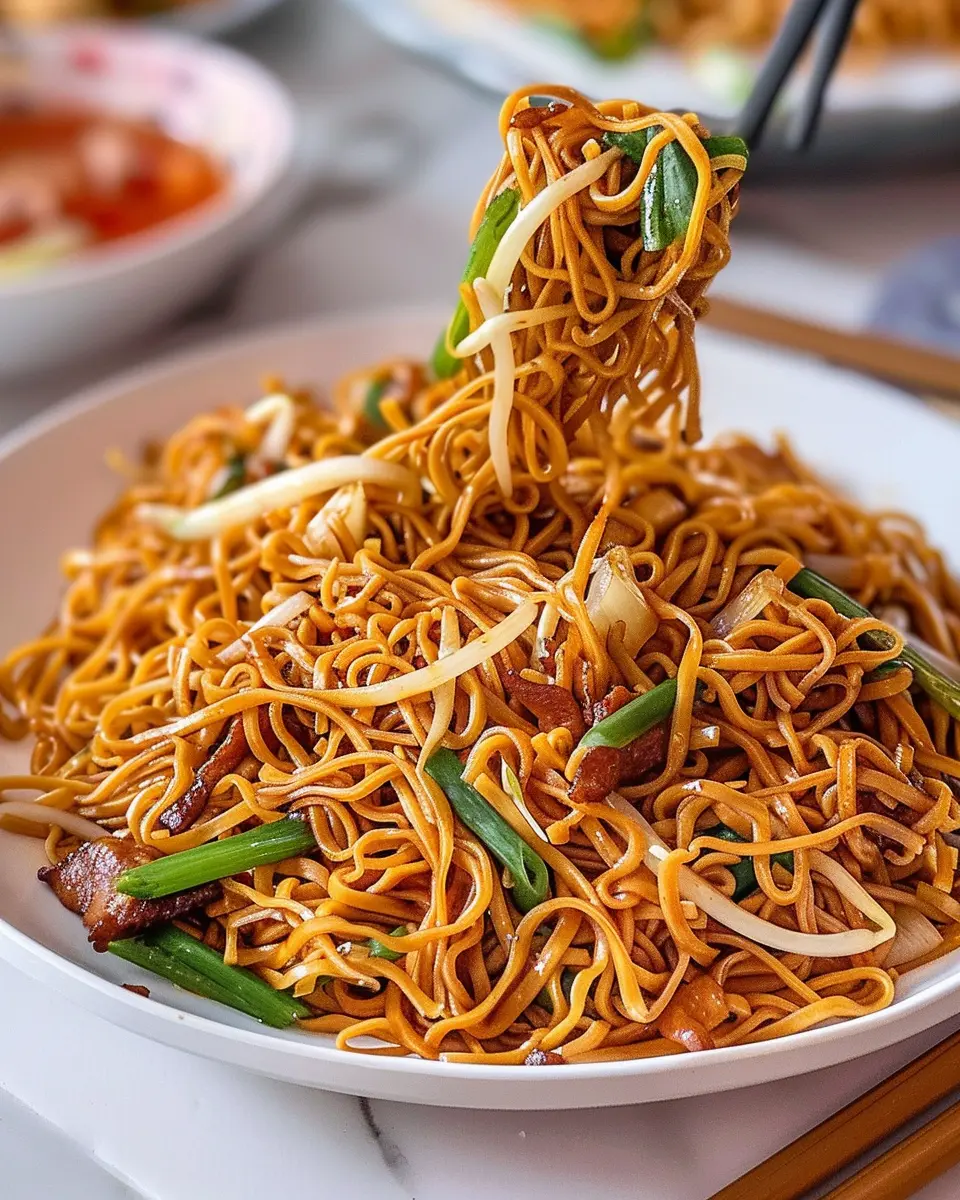
Serving Suggestions for Cantonese Chow Mein
Ideal Pairings and Side Dishes
When you cook up a delicious Cantonese Chow Mein, the right pairings can take your meal to the next level. Consider serving it with:
- Steamed Vegetables: Brightly colored veggies like bok choy and bell peppers add a pop of color and nutrition.
- Spring Rolls: Crispy spring rolls make for a perfect crunchy complement.
- Wonton Soup: A warm bowl of wonton soup can balance the textures beautifully.
To enhance flavors, a side of sweet and sour sauce or soy sauce for dipping can be an inviting touch. Curious about what goes well with this dish? Check out this comprehensive guide on perfect Asian side dishes.
Presentation Tips to Impress Guests
Presentation is key, especially when serving a dish as versatile as Cantonese Chow Mein. Here are some simple yet effective tips:
- Use White Plates: They create a stunning backdrop for the vibrant colors of your chow mein.
- Garnish Generously: Top your dish with sesame seeds, chopped scallions, or a sprinkle of red chili flakes.
- Serving Style: Consider using individual bowls instead of a serving platter; it adds a personal touch.
Imagine your guests’ delight as they admire not just the taste, but also the visual appeal of your thoughtfully arranged dish. After all, we eat with our eyes first!
Time Breakdown for Cantonese Chow Mein
Preparation time
Getting all your ingredients ready is the first step. You’ll need about 15 minutes to chop veggies, slice turkey bacon, and prepare your proteins like chicken ham and beef. Taking this time to prep not only helps your cooking flow smoother but also minimizes cleanup later.
Cooking time
Once everything’s prepped, the cooking process is relatively quick. Expect to spend around 15-20 minutes cooking your Cantonese Chow Mein. This includes stir-frying the veggies and proteins until they’re perfectly tender and flavorful.
Total time
In total, you’re looking at about 30-35 minutes from start to finish. This makes it a fantastic option for a weeknight dinner when you want something delicious and satisfying without spending hours in the kitchen. For more cooking tips and nutritional advice on quick meals, check out resources like Healthline and BBC Good Food. Happy cooking!
Nutritional Facts for Cantonese Chow Mein
When enjoying a delicious plate of Cantonese Chow Mein, it’s good to know what you’re fueling your body with. Here’s a quick breakdown of the nutritional facts that make this dish both tasty and satisfying.
Calories
A typical serving of Cantonese Chow Mein contains approximately 300-450 calories. This can vary based on ingredients and cooking methods, so be mindful if you’re customizing your recipe.
Carbohydrates
This dish is rich in carbohydrates, providing about 45-70 grams per serving. The wholesome noodles deliver energy, perfect for those busy days when you need a quick meal to keep you going.
Protein
Don’t forget about the protein! A serving of Cantonese Chow Mein typically includes around 20-30 grams, especially if you opt for protein-packed chicken ham or turkey bacon. This makes it a balanced choice to help you feel full and satisfied.
For more details on healthy eating, you can explore resources from the American Heart Association and Nutrition.gov. Whether you’re cooking for yourself or entertaining friends, enjoy every flavorful bite!
FAQs about Cantonese Chow Mein
Curious about making the perfect Cantonese Chow Mein? You’re not alone! Let’s clear up some common questions.
Can I use other noodles for this recipe?
Absolutely! While traditional Cantonese Chow Mein typically uses egg noodles, you can certainly experiment with alternatives. For a healthier twist, try whole wheat noodles or even rice noodles, which work wonderfully in stir-fry dishes. Just make sure to adjust cooking times accordingly. If gluten-free is more your style, rice noodles are the way to go!
What is the best way to store leftover chow mein?
Leftover Cantonese Chow Mein can be a delightful treat the next day. To store it properly, let it cool to room temperature, then transfer it to an airtight container. It should keep in the fridge for about 3 to 4 days. When you’re ready to enjoy it again, simply reheat it in a pan or microwave, adding a splash of water or low-sodium broth to keep it moist. For more on food storage practices, check out the USDA’s guidelines.
How can I adjust the sauce for different flavors?
One of the great things about Cantonese Chow Mein is its versatility! Want a sweeter dish? Incorporate a bit of hoisin sauce or a sprinkle of sugar. For a more tangy punch, add a dash of lemon juice or rice vinegar. Experimenting with different soy sauces can also bring new flavors to your chow mein. Remember, the key lies in balancing the salty, sweet, and savory elements to suit your preference.
Now that you have answers to some common questions, get ready to whip up a delicious plate of Cantonese Chow Mein that’s bound to impress!
Conclusion on Cantonese Chow Mein
Recap of the Benefits of Homemade Chow Mein
Making Cantonese Chow Mein at home brings numerous benefits that go beyond mere flavor. For starters, you have complete control over the ingredients—substituting in healthier options like Turkey Bacon and Chicken Ham or incorporating more vegetables to suit your taste. This not only enhances the nutritional profile but also allows for endless customization.
Moreover, the aroma wafting through your kitchen while preparing this dish is sure to bring back delightful memories or create new ones with your friends and family. Plus, nothing beats the satisfaction of enjoying a delicious, homemade Cantonese Chow Mein that rivals your favorite takeout. Embrace your culinary creativity, and happy cooking!
For more inspiration on Chinese cuisine, check out Serious Eats or The Woks of Life.
PrintCantonese Chow Mein: Easy Recipe with Turkey Bacon & Chicken Ham
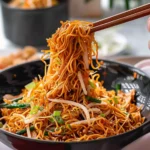
Enjoy this quick and delicious Cantonese Chow Mein featuring turkey bacon and chicken ham for a flavorful twist.
- Prep Time: 15 minutes
- Cook Time: 10 minutes
- Total Time: 25 minutes
- Yield: 4 servings 1x
- Category: Main Dish
- Method: Stir-frying
- Cuisine: Cantonese
- Diet: Omnivore
Ingredients
- 200g chow mein noodles
- 100g turkey bacon, chopped
- 100g chicken ham, diced
- 2 cups mixed vegetables (bell peppers, carrots, peas)
- 3 tablespoons soy sauce
- 2 tablespoons oyster sauce
- 1 tablespoon sesame oil
- 2 green onions, chopped
Instructions
- Cook noodles according to package instructions; drain and set aside.
- In a large pan, cook the turkey bacon and chicken ham until browned.
- Add mixed vegetables and stir-fry for about 3-5 minutes.
- Combine cooked noodles with the meat and vegetables in the pan.
- Pour in soy sauce, oyster sauce, and sesame oil; toss everything until well coated.
- Garnish with chopped green onions before serving.
Notes
- Adjust the sauce quantities to suit your taste.
- Feel free to add other proteins like shrimp or beef.
Nutrition
- Serving Size: 1 plate
- Calories: 350
- Sugar: 5g
- Sodium: 800mg
- Fat: 15g
- Saturated Fat: 4g
- Unsaturated Fat: 8g
- Trans Fat: 0g
- Carbohydrates: 40g
- Fiber: 3g
- Protein: 20g
- Cholesterol: 30mg
Keywords: Cantonese Chow Mein